Introduction
In a world where emergency situations can strike anytime, possessing the abilities and understanding to respond efficiently is not simply a benefit; it's commonly a need. Coming to be licensed in emergency treatment can change any individual from an amateur right into a hero. This write-up checks out the extensive effect that getting an emergency treatment certification can carry people and areas alike. Whether you are considering enlisting in a first aid course, looking for to enhance your career, or just intending to be far better planned for unanticipated situations, this detailed guide will give valuable insights into the life-altering benefits of emergency treatment training.
What is a First Aid Course?
A first help course is designed to outfit individuals with the vital skills needed to assess and take care of medical emergency situations up until professional aid arrives. These programs cover various subjects, including wound treatment, CPR (Cardiopulmonary Resuscitation), choking relief, and a lot more.
Importance of First Aid Training
Why is initial help training so critical? Right here are some compelling reasons:
- Immediate Response: In emergency situations, every 2nd matters. Recognizing how to carry out emergency treatment can save lives. Confidence Building: Learning supplies people with the self-confidence to act when confronted with potentially lethal situations. Community Safety: Trained people add to total community safety by being planned for emergencies.
Different Types of First Aid Courses
Various sorts of first aid courses CPR Course Sydney CBD deal with various target markets and demands:
Basic First Aid Courses: Appropriate for every person, covering basic skills. Advanced First Aid Courses: Targeted towards healthcare professionals or those trying to find more in-depth knowledge. CPR Courses: Emphasis specifically on carrying out mouth-to-mouth resuscitation effectively.The Trip from Amateur to Hero
Understanding Your Function as an Initial Responder
When you take a first aid and CPR course, you step into the function of a very first -responder. This responsibility is considerable due to the fact that it implies you may be one of the initial individuals on the scene during an emergency.
What Does It Mean to Be a First Responder?
Being a very first -responder requires:
- Assessing the scenario quickly Making informed decisions Providing preliminary care till professional assistance arrives
From Theory to Practice: The Learning Process
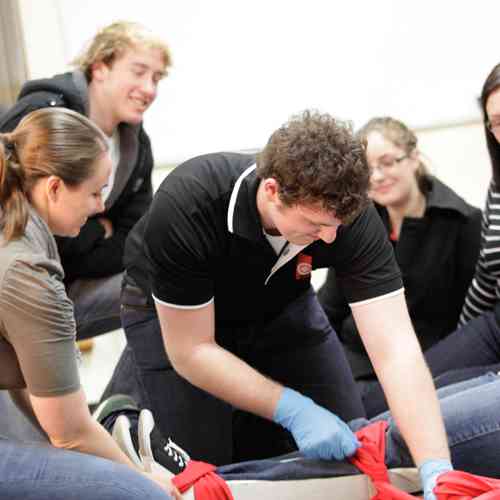
The change from discovering concept to placing it into practice can be challenging however extremely rewarding. Many courses entail hands-on training sessions where participants practice strategies on mannequins or through simulations.
Hands-On Experience: A Game Changer
Hands-on experience permits learners to:
- Build muscular tissue memory Gain confidence in their abilities Understand exactly how to respond under pressure
The Life-Saving Abilities Obtained Through Training
CPR Methods: Greater than Simply Chest Compressions
One of one of the most essential parts instructed in any type of CPR course is how to perform cardiopulmonary resuscitation efficiently.
CPR Tips Overview
Call for assistance (911 or local emergency situation number). Check responsiveness. Begin chest compressions at a rate of 100-120 per minute. Provide rescue breaths if trained.Wound Monitoring and Bandaging Skills
Knowing exactly how to deal with injuries effectively can stop infections and additional complications.
Simple Strategies for Wound Care
- Clean the wound using mild soap and water. Apply antibacterial ointment. Cover with sterile gauze or bandage.
Real-Life Impact of Having an Emergency Treatment Certificate
Stories That Inspire Change
Countless tales illustrate how having an emergency treatment certificate has actually transformed lives dramatically.
Case Research study 1: A Brave Rescue at Home
Imagine being at home when your child suddenly chokes on food. Thanks to her training in a first help course, she immediately performed back blows, removing the food and conserving her child's life.
Case Study 2: Workplace Emergency
In one more scenario, a white-collar worker collapses because of heart attack throughout lunch hour. A colleague trained in CPR promptly intervenes, doing upper body compressions that ultimately bring about successful resuscitation before paramedics arrive.
Enhancing Occupation Opportunities Through Certification
How Companies Value Emergency treatment Training
In today's work market, many employers look favorably upon candidates who have qualifications in first aid and CPR.
Benefits for Professionals
Having a legitimate first aid certification can provide numerous advantages:
- Increased employability Additional skill set for profession advancement Ability to contribute positively within teams
First Aid Training in Particular Professions
Certain professions need or strongly benefit from having educated employees aboard:

Choosing the Right Program for You
Factors Affecting Your Decision
When exploring options for your first help course, consider these elements:

Comparing Various Organizations Offering First Aid Courses
It's vital to research study numerous companies prior to dedicating:
|Organization|Course Kind|Period|Qualification Credibility|| --------------|-------------|----------|-----------------------|| Red Cross|Standard|8 hours|2 years|| American Heart Association|Advanced|16 hours|2 years|| Citizen Community Center|Fundamental|4 hours|No expiration|
FAQ Section
Q1: What is consisted of in a typical first aid course?
A criterion first aid course generally includes subjects such as wound care, shock monitoring, CPR strategies, choking alleviation techniques, and injury assessment.
Q2: The length of time does it take to complete an emergency treatment course?
Most fundamental programs range from 4 hours as much as two days depending on whether it's an introductory degree or advanced training session.
Q3: Is certification needed after finishing the course?
While certification isn't constantly compulsory, having it improves your trustworthiness as somebody certified in emergency situation feedback situations.
Q4: Are online first aid training courses effective?
Online courses can provide flexibility yet should ideally consist of sensible analyses either essentially or with scheduled workshops with licensed instructors.
Q5: Can I educate others when I have my certification?
Only if you seek additional credentials such as instructor-level training; or else, you're outfitted just for personal usage unless specified or else by your certifying organization.
Q6: Just how commonly should I renew my certification?
Typically every two years; however, particular companies might call for various revival timelines based upon upgraded guidelines or methods found out throughout re-certification courses.
Conclusion
Embarking on the journey from beginner to hero through obtaining a first aid certificate isn't just regarding finding out skills; it has to do with equipping oneself and others within communities anywhere! The knowledge obtained through an appealing first help and CPR course boosts personal self-confidence while making it possible for skilled action during dilemmas-- potentially conserving lives along the way! So whether you're encouraged by personal growth or expert enhancement-- spending time into understanding these techniques might truly alter lives forever!
Remember-- the following time an emergency situation emerges around you-- your training might just turn you right into somebody else's hero!